
What To Wear In Scotland On A Tour, Month By Month
Updated November 3, 2026
A month-by-month clothing guide for Scotland tours, built on reported Edinburgh weather normals, daylight hours and the midge season, with packing lists for coach and walking days.
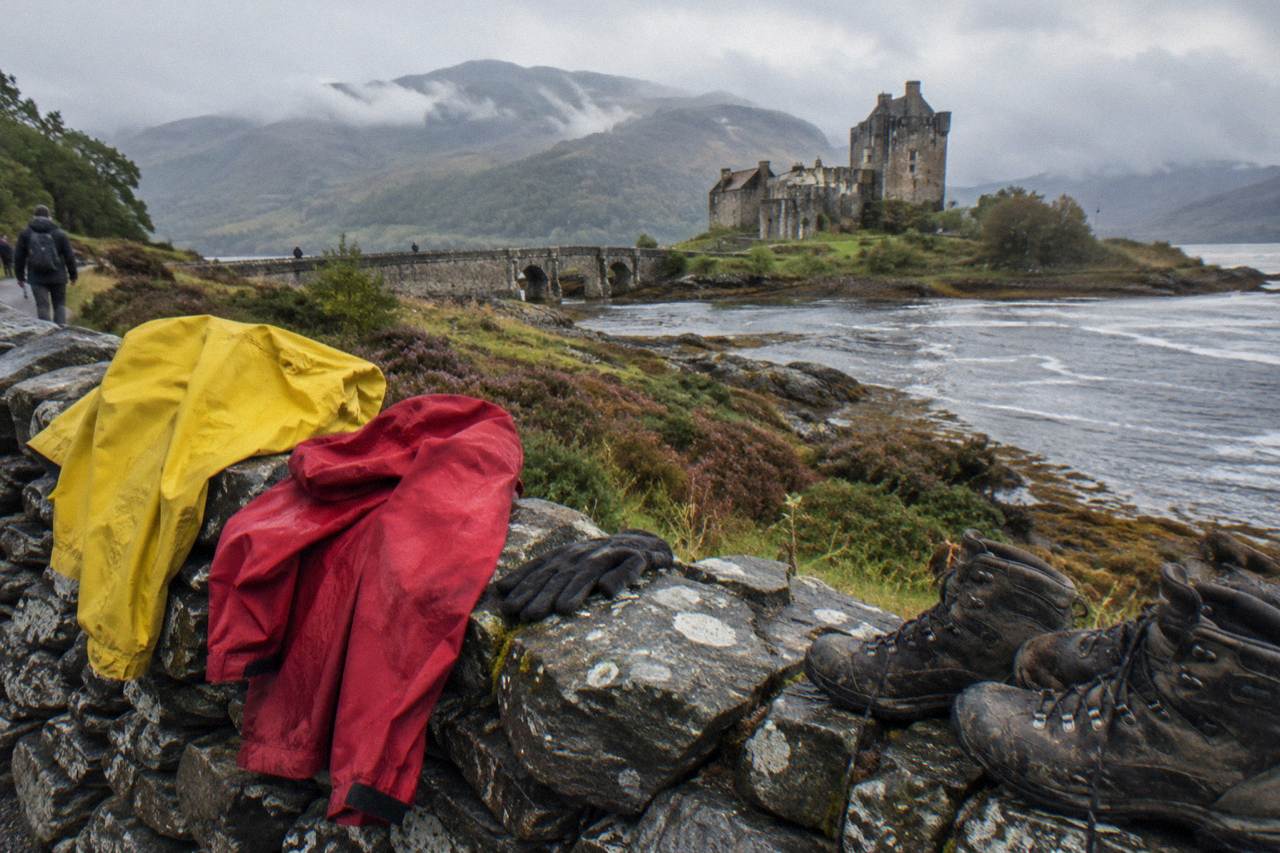
What To Wear In Scotland On A Tour, Month By Month
Wear layers in every month of the year. Reported Edinburgh highs run 7°C in January to 19°C in July, rainfall lands between 40mm and 73mm monthly, and Highland weather can move through all four seasons inside one 12-hour tour day. A base layer, a warm mid layer and a waterproof shell cover Scotland year round, with a midge net added May to September. Once your kit is sorted, safety is usually the next question, and this honest area by area look at safety in Scotland explains why the weather you just packed for often deserves more respect than crime.
That is the short answer, and it holds whether you join a 3-day Loch Ness and Skye trip from $481 per person or the longer 8-day Scottish Dream itinerary. The long answer is that Scotland's clothing problem is not cold, it is change. A day tour from Edinburgh runs 12 hours 30 minutes on routes like Loch Ness and Glencoe, and the temperature at a Glencoe photo stop bears no relation to the temperature when the coach left the city at 8am. Getting your packing right is only half the battle, so it also pays to read up on the common mistakes visitors make on a Scotland trip before you set off.
The reported weather pattern for Edinburgh gives a useful baseline, with the west coast notably wetter. Monthly figures look like this:
| Month | Approx high | Rain | Daylight (mid-month) |
|---|---|---|---|
| January | 7°C | 65mm | 7 to 8 hours |
| February | 8°C | 55mm | 9 to 10 hours |
| March | 9°C | 50mm | 12 hours |
| April | 12°C | 40mm | 14 hours |
| May | 15°C | 50mm | 16 to 17 hours |
| June | 18°C | 65mm | 17 to 18 hours |
| July | 19°C | 70mm | 17 hours |
| August | 19°C | 65mm | 15 hours |
| September | 17°C | 71mm | 13 hours |
| October | 13°C | 73mm | 10 hours |
| November | 10°C | 69mm | 8 hours |
| December | 8°C | 63mm | 7 hours |
These are reported normals rather than forecasts, and sources such as Juniper Tours' seasonal breakdown and WeRoad's month guide agree on the shape: mild summers, cool winters, and no dry month anywhere in the calendar. The practical consequence for clothing is simple. Whatever the month, pack for rain.
What Should You Pack For A Scotland Tour?
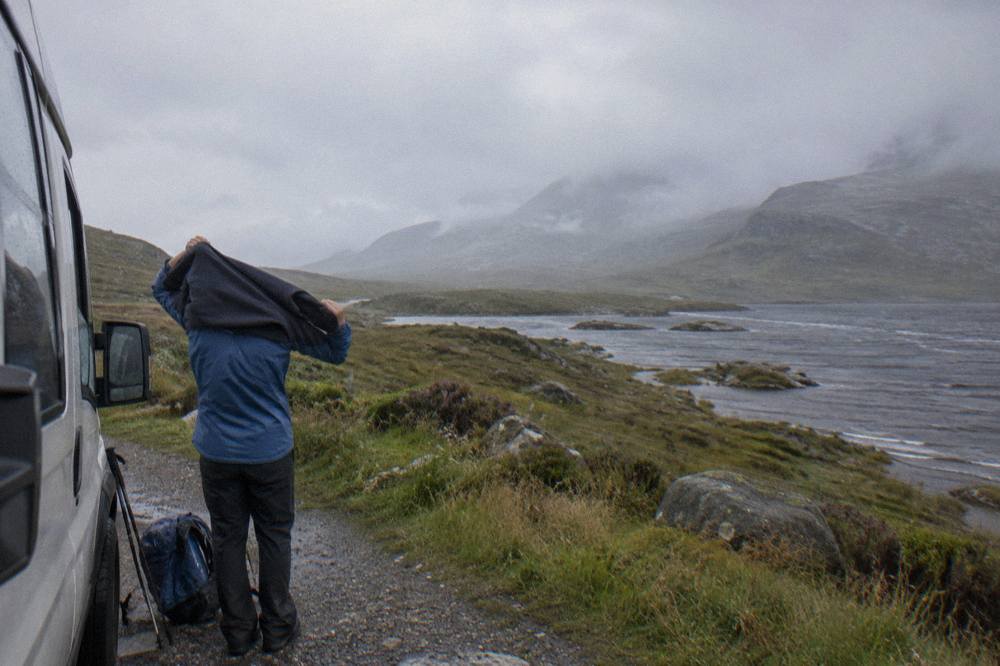
Pack three layers, waterproof trousers, broken-in walking shoes and one warm hat, regardless of month. The layering system is the same in June and January: a moisture-wicking base, an insulating mid layer you can remove on a coach, and a shell that sheds rain at every photo stop. Add gloves from October to April, when reported highs sit at or below 13°C.
Coach tours change the arithmetic in one specific way. You spend long stretches in a heated vehicle, then stand outside for 20 to 40 minutes at a viewpoint. The clothing that works is clothing you can open, close or remove in a minibus aisle without undressing. A quarter-zip fleece beats a pullover jumper for exactly this reason, and a shell with pit zips beats a soaked-through wool coat that takes a day to dry.
A workable packing list, month by season:
| Season | Base | Mid | Outer | Extras |
|---|---|---|---|---|
| December to February | Long-sleeve base | Heavy fleece or light down | Waterproof jacket | Gloves, warm hat, scarf |
| March to May | Base or t-shirt plus base | Fleece | Waterproof jacket | Midge net from May, light gloves |
| June to August | T-shirt plus spare base | Light fleece | Waterproof jacket | Midge net and repellent, sun hat |
| September to November | Long-sleeve base | Fleece | Waterproof jacket | Midge net to mid-September, gloves from October |
On a small-group trip such as the 5-day ultimate highland adventure, luggage space is limited by the vehicle, not by an airline rule, so a soft duffel beats a rigid suitcase. The tour runs from $509 per person with MacBackpackers and is rated 4.9 across 1,026 reviews. Five days is also long enough that something will get wet, which makes a second base layer more valuable than a fourth jumper.
If your dates are flexible, the shoulder months change what you carry. The question of what is the best month to go to Scotland usually resolves to May, June or September for the balance of weather, crowds and midges, and in those months you can drop the heavy insulation entirely.
Do You Really Need Waterproofs And A Midge Net?
Yes to both. Rain falls every month of the year in reported Edinburgh normals, peaking at 73mm in October, and the midge season runs from late April or early May to the first frost, worst from June to August on the west coast and Skye. A midge head net weighs almost nothing and rescues otherwise miserable evening stops.
The midge detail catches out visitors every summer. These tiny biting insects are at their worst in calm, damp conditions on the west coast, and numbers are low in May, September and anything above about 500 metres, as Glencoe Highlands' seasonal guide explains. Repellent helps, but a head net is the reliable answer when a tour pauses at a lochside viewpoint on a still July evening. Smidge and similar repellents are widely stocked in Scottish pharmacies if you forget yours.
Waterproofs matter even in the driest-looking month. April averages a mere 40mm of rain in the reported Edinburgh normals, which sounds benign until you learn that it can arrive as two hours of horizontal drizzle during the Old Man of Storr walk. Waterproof trousers earn their space from October to March and on any Skye itinerary, since the island's single-track roads and open paths offer no shelter at all. More of these guides are collected on Scotland Tour Packages.
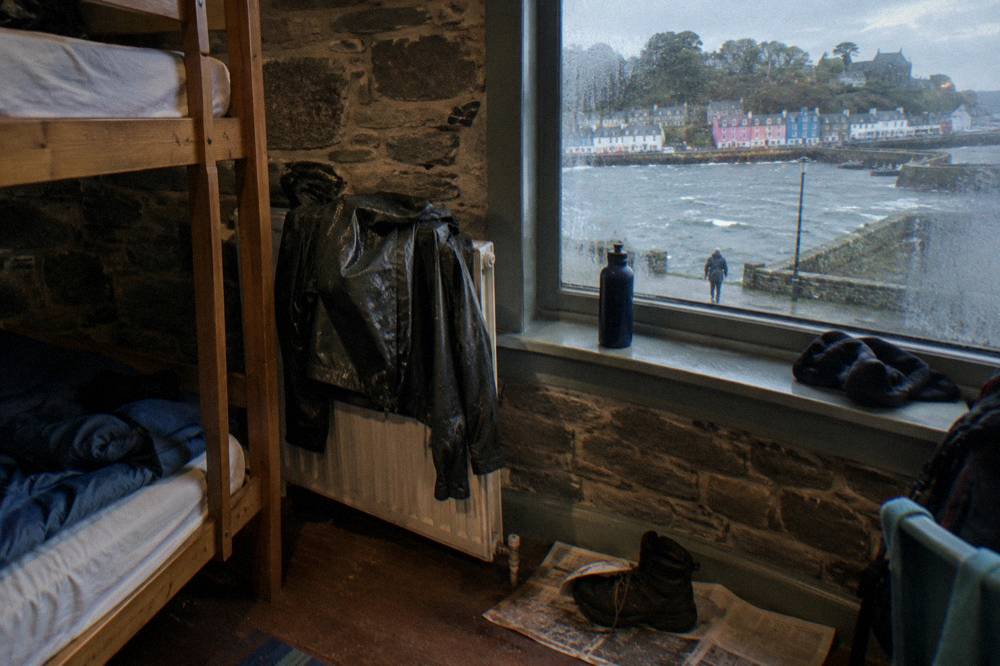
Visitors weighing a winter trip often ask whether the cold makes it pointless; the honest answer is in whether Scotland in winter is worth it, and the clothing conclusion is that January's reported 7°C high is no harsher than a North American or Scandinavian winter, it is simply wetter.
What Shoes Work On Highland Paths And City Streets?
Bring waterproof walking shoes or boots with real grip, not trainers. The Fairy Pools walk on Skye is about 2.4 km return from the Glenbrittle car park, the Old Man of Storr path is a steep 3.8 km round trip taking roughly two hours, and both are mud, rock and bog rather than pavement. City days then need nothing more than the same shoes.
The dual-purpose requirement is what makes footwear the hardest packing decision. A day tour from Edinburgh such as Loch Ness, Glencoe and the Highlands costs from $62.44 per person and is rated 4.8 across 7,409 reviews, and most of it is seated, but the stops are grass, gravel and wet timber decking. Trainers survive a dry June. They do not survive October in the Highlands: Edinburgh averages up to 73mm of rain in its wettest month, and the west coast around Glencoe is wetter still.
Waterproof boots with ankle support are the safe answer for any Skye content, and the walk distances above come from the access information for each site. Eilean Donan Castle, a photo stop on Skye tours from Inverness from $93.59 per person, involves short paved paths, so city shoes would technically cope there. The Quiraing or the Storr would not forgive them.
One clothing trap specific to tours: dress for the stop, not the drive. Guides keep mini-coaches warm, so the person in a full duvet jacket spends five hours overheating between photo stops. The person in layers opens a zip and closes it again. As TripScot's season guide notes, November to January brings short days of seven to eight hours and closures, so winter packing leans warm and visible, with a reflective detail on the jacket a small smart addition for dusk roadside stops.
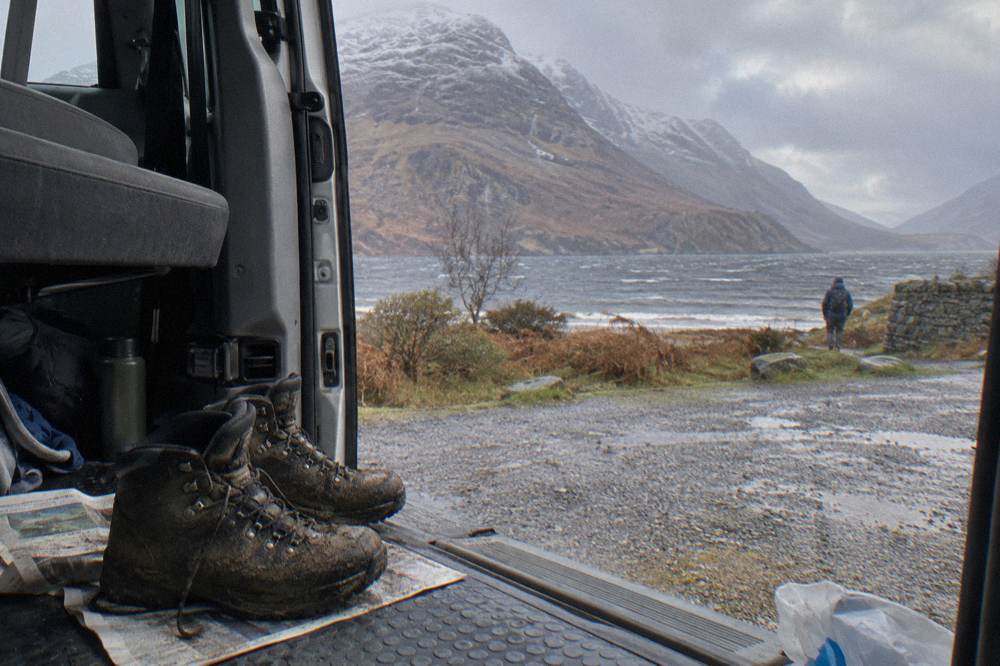
Trip length should shape the packing list too. The debate over how many days you need in Scotland matters for laundry planning: three-day tours can survive on one set of evening clothes, while anything from five days up, such as the 5-Day Ultimate Highland Adventure, deserves a full second set of base layers and a plan for drying wet gear overnight.
What To Wear In Edinburgh And Glasgow Versus The Highlands?
Pack the same layers for both, but expect to wear fewer of them in the cities. Edinburgh and Glasgow days are walked on pavement between shops, museums and cafes, where a jacket over a t-shirt covers June through September. Highland tour days need the full system: base layer, fleece, waterproof and boots, because stops are exposed and there is nowhere to warm up between them.
A city afternoon also has different footwear demands from a Highland morning, which is why one pair of boots plus one pair of comfortable shoes is the standard two-shoe answer for a combined trip. The hop-on hop-off bus in Edinburgh, from $27.26 per person for a 24-hour ticket and rated 4.6 across 7,964 reviews, lets you wait indoors for the next bus, something no Highland viewpoint offers. Glasgow's walking tour, from $19.44 per person and rated 4.8 across 1,596 reviews, runs an hour and a half on flat city streets.
There is one thing worth repeating across every section here because it decides everything else in the suitcase: no month in Scotland is reliably dry. Even April's modest 40mm arrives without warning. Choose the tour, check its season, and let the layering system do the rest.
Common Questions About What To Wear In Scotland
What To Wear In Scotland On A Tour, Month By Month?
Layers in every month: a base layer, a fleece mid layer and a waterproof shell, with gloves and a warm hat from October to April and a midge net plus repellent from May to September. Reported Edinburgh highs run 7°C in January to 19°C in July, and rain falls somewhere between 40mm and 73mm every single month.
Do I need wellies or proper hiking boots?
Waterproof walking shoes or boots with grip are the better choice. Highland stops involve paths like the Fairy Pools walk, about 2.4 km each way, and the Old Man of Storr, a steep 3.8 km round trip, which are mud and rock rather than pavement. Wellies work for farm-level mud but have no support for two-hour walks.
Are jeans a bad idea on a Scotland tour?
For Highland days, yes. Denim soaks through, stays wet for hours and gets cold against the skin. Synthetic or merino trousers dry fast and work under waterproof trousers, which matters when rain can arrive during any outdoor stop in any month.
When exactly do I need a midge net?
From late April or early May until the first frost, with the worst period from June to August on the west coast, Skye included. Numbers are low in May and September and above about 500 metres of elevation. A head net and repellent fit in a jacket pocket and cost little.
What should I wear on the coach itself?
Dress light for the vehicle and keep the warm layers within reach. Mini-coaches are heated, and day tours run 9 to 12 hours or more, so the practical system is a t-shirt or base layer for the drive with a fleece and waterproof in the seat-back bag for every stop.